

Transport
Ocean freight
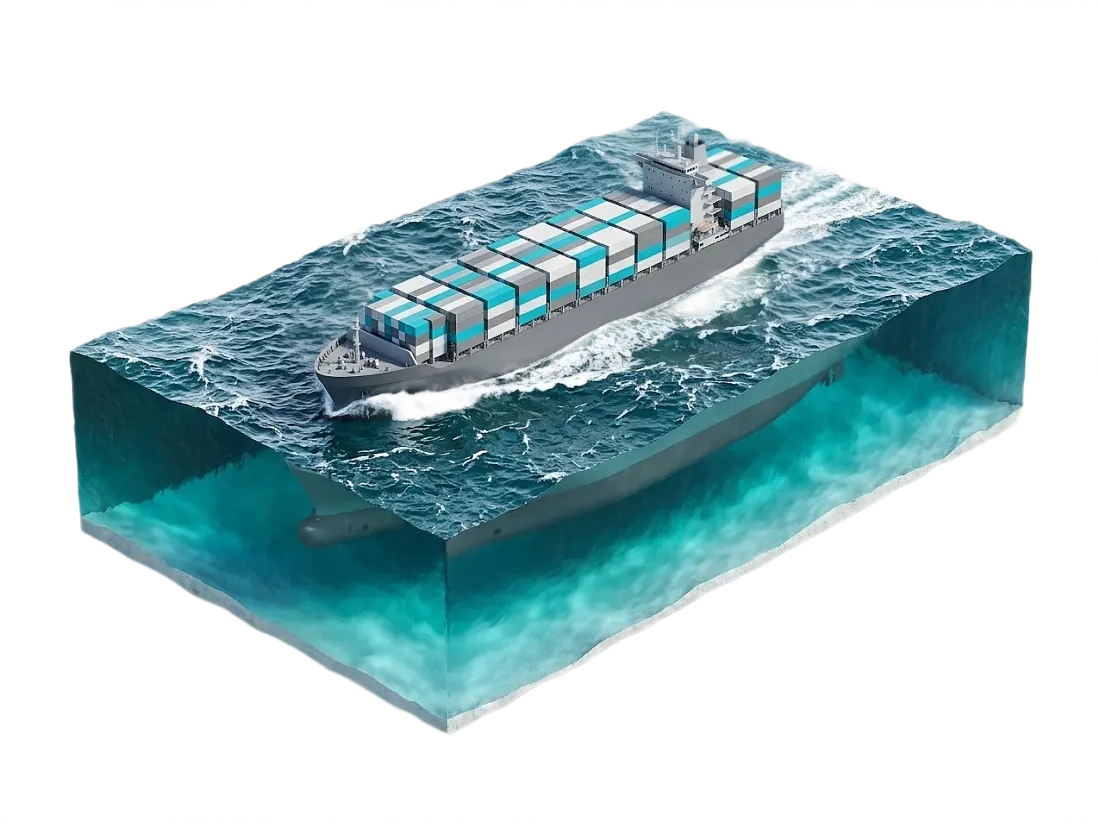
Full container load (FCL) and consolidated cargo (LCL) on the main routes and carriers. It is the mode with the most volume and the one that gains most from tracking: an ocean shipment is weeks in which things can happen.
What it covers
We match the mode to your volume, to optimise cost and transit time.
- Full container load (FCL), when the volume fills the box
- Consolidated cargo (LCL), when it does not and paying for a whole one makes no sense
- Coverage on the main routes of the three trade lanes
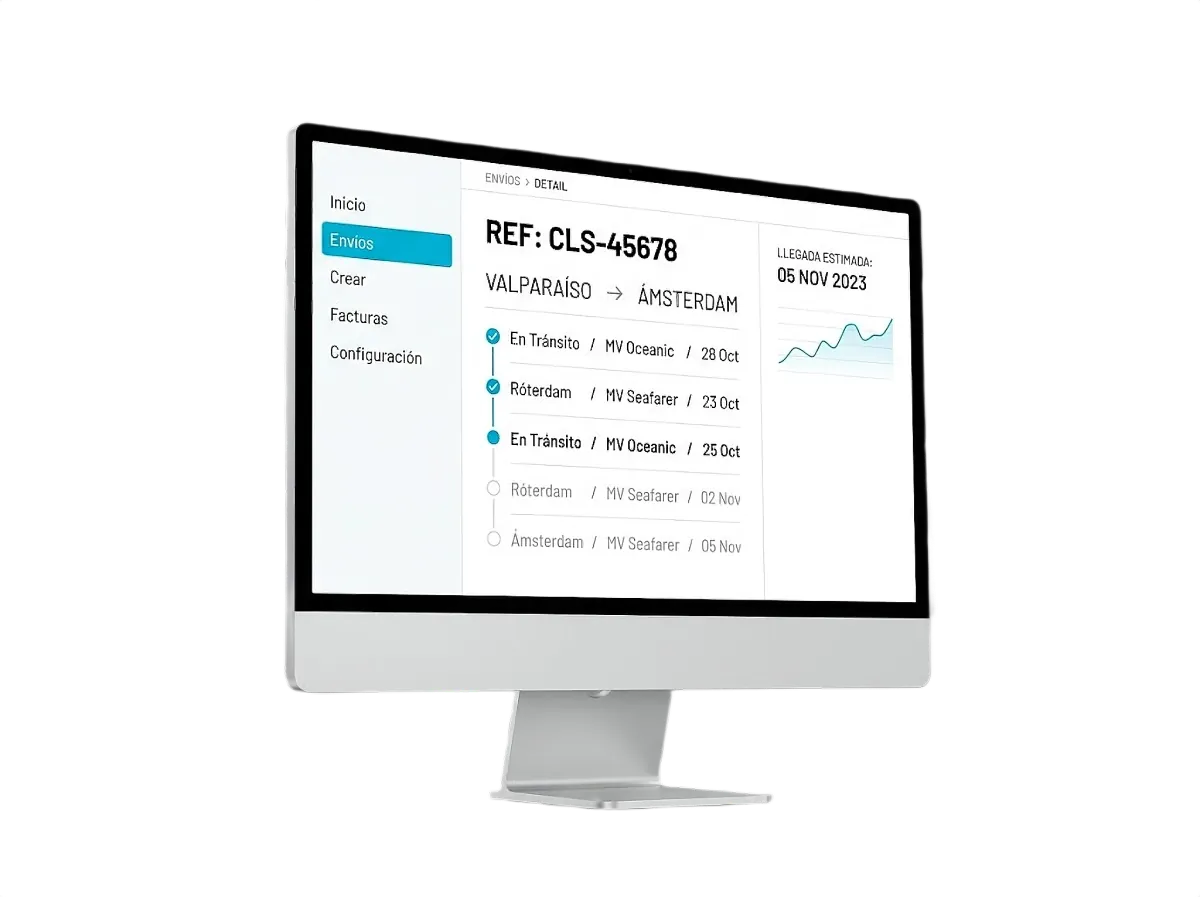
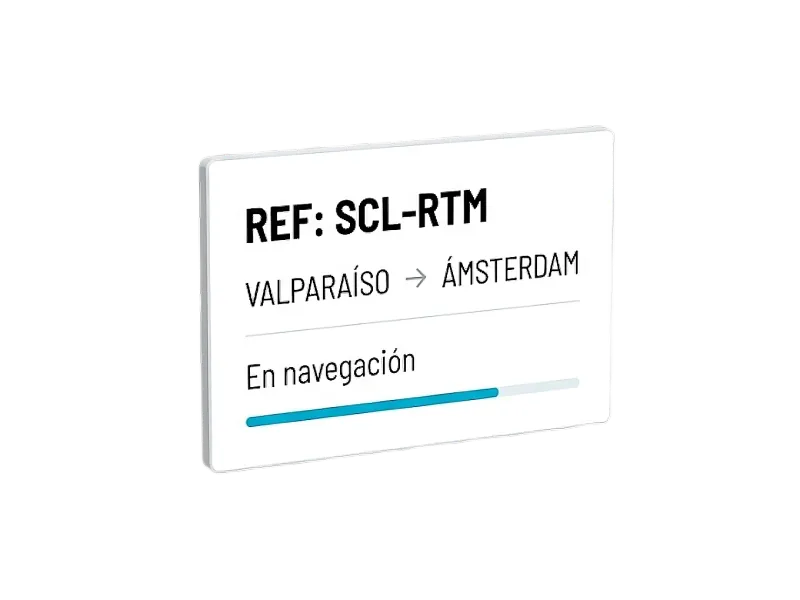
- Leg-by-leg and milestone tracking, with the calls and their dates
- Coordination with the road leg at origin and destination
- Customs brokerage on the same shipment
An ocean shipment is weeks
And in those weeks there are transshipments, waits at anchorage and vessel changes nobody tells you about unless you ask. That is why tracking is not an extra on ocean freight: it is half the service.
Every shipment is tracked leg by leg, with its vessel and its dates, and a transshipment shows up as what it is: a change of ship that can add days.
Our own tracking platform is being built and we do not talk about it as if it were running. Today the cargo lookup answers on demonstration data.
How it runs
The same thing that happens with any shipment of ours, in three steps.
We quote within 24 hours
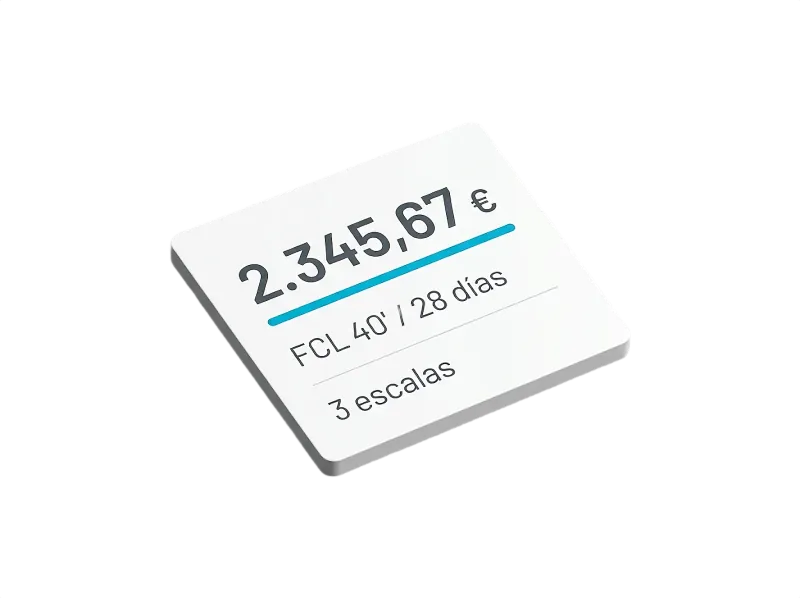
With origin, destination, container type and date, you get a rate with its itinerary: calls, vessel and days per leg.
We book with vetted suppliers
The carrier, the agent at origin and the road transport come from the network we already work with. A chain is worth what its weakest link is worth.
We follow the shipment to delivery
Every milestone is recorded. If something moves — a transshipment running late, a wait at anchorage — you know before it affects you.
Tell us what you need to move
Origin, destination and what you are shipping. We answer with a proposal about your operation, not about a generic example.
The form is not connected yet. Write to us directly and we will answer all the same.